
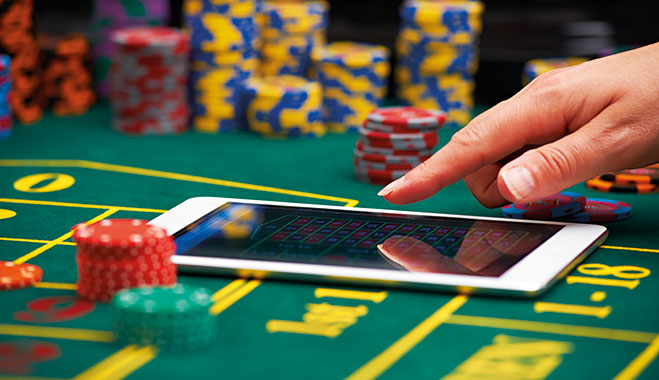
Side bets have evolved from a specialty interest into one of the most impactful elements defining how players engage with table games and live dealer lobbies today wishocasino.es. A carefully crafted side bet does more than just add a button to the screen — it redefines risk, reward, and decision pace. For Spanish players assessing where to play, knowing what distinguishes a mediocre side bet from a truly engaging one can change how they tackle blackjack, roulette, baccarat, and game-show hybrids. The difference often boils down to mathematical transparency, thematic integration, payout architecture, and how effortlessly the option fits into the main game flow without disturbing rhythm or bankroll discipline. This article examines those structural differences and links them to what players encounter on a current platform like Wisho Casino, where side bet variety is viewed as a central element of the table game identity rather than an afterthought.
Thematic Unity and Storytelling Charm
Supplementary bets that leverage a consistent story or design motif do more than enhance aesthetics — they make the rule more straightforward to recall and the outcome more gratifying to observe. When the side bet is named after a story element, like Lucky Ladies alluding to the Queen of Hearts or Dragon Bonus in baccarat conjuring a margin-of-power story, the player creates a memory aid that accelerates the understanding path. That fixing reduces the hesitation new players experience when presented with an new betting square. A Spanish-speaking player who spots “Perfect Pairs” right away understands that pairs are the goal, and the adjective “Perfect” signals the top prize necessitates same-suit pairing. Narrative labeling functions as a compact rulebook, and top providers invest heavily in matching the visual presentation with the name so the link resonates in seconds.
Casino game lobbies that cluster side bet-rich tables under a unified design framework further reinforce this impact. Evolution’s Lightning series uses a uniform black-and-gold visual language and dramatic sound cues that announce multiplier events regardless of whether the base game is roulette, blackjack, or baccarat. A player switching from Lightning Roulette to Lightning Blackjack on Wisho Casino’s platform carries forward the expectation that random multipliers will land on selected positions, and the recognition breeds confidence. This design coherence is not just a branding exercise; it functionally reduces processing demand and promotes exploration across game types. A Spanish audience that appreciates intuitive design and quick navigation in a mobile-centric setting will detect the difference between a unorganized betting options and a handpicked collection where each feature appears as part of a group.
Payout Framework and the Multiplier Influence
Multiplier-focused side bets have redefined expectations across the sector over the last five years, largely because they introduce asymmetric upside without demanding the player to predict a specific rare outcome. In Lightning Roulette, the core bet maintains standard roulette payouts, but a side bet element appears when one to five numbers are struck by random multipliers ranging from 50x to 500x before the spin. The player does not have to land a niche combination — they simply need their straight-up number to coincide with a lightning strike. That model preserves the familiar roulette decision structure while adding the possibility of an outsized return on a single chip. The genius lies in how the multiplier is assigned before the ball is released, making the anticipation apparent and shared among all players at the table.
Traditional fixed-payout side bets relied on rarity alone to create excitement, but modern multipliers shift the appeal toward visible potential. Game-show formats such as Crazy Time, Dream Catcher, and Monopoly Live extend the logic further by adding side bet opportunities into bonus rounds where multipliers multiply. A Spanish player who makes the standard bet plus the applicable side bonus on Crazy Time’s four bonus games is essentially entering a nested multiplier ecosystem. The structure is important because it alters the psychological profile of the wager: instead of seeking a single fixed jackpot, the player is participating in a process where each spin of the bonus wheel can elevate the payout beyond what a static paytable could offer. Platforms like Wisho Casino have embraced this multiplier-first philosophy, ensuring the side bet catalogue https://www.marca.com/co/2024/05/11/663fa4d5e2704e611b8b45c8.html in their live lobby contains both fixed-payout classics and multiplier-charged contemporary variants.
Mathematical Structure and House Edge Transparency
The foundation of any side bet is its underlying probability model, and strong ones set themselves apart by providing a balanced trade-off between variance and long-term expected value. A side bet with a house edge above 10 or 12 percent might create dramatic moments, but it systematically erodes a bankroll faster than the main game. The strongest side bets generally keep the house edge in a range near 3 to 7 percent, still advantageous for the operator but manageable for the player over extended sessions. Open providers release theoretical return-to-player percentages for their side bet menus, and Spanish-facing platforms that carry certified content from Evolution, Pragmatic Play, or Playtech give players access to those figures. Before setting chips on a side bet square, a smart player verifies whether the paytable rewards specific hand compositions with odds that correspond to their true rarity, or whether the payout steps have been compressed to mask a steep built-in advantage.
What makes the mathematics tolerable in practice is how the payout table allocates rewards across probability tiers. A great side bet does not just provide one enormous jackpot at the tail end of a near-impossible outcome; it creates intermediate payout levels that trigger often enough to sustain engagement. In Perfect Pairs blackjack, for instance, a mixed pair pays 5:1 or 6:1 based on the variant, a coloured pair pays higher, and a perfect suited pair delivers the top prize. That graduated system means a player sees small returns with enough regularity to feel the feature is alive, rather than waiting for a statistical miracle. The same principle applies to roulette side bets that pay incremental multipliers for covering specific neighbour zones or Lucky Ladies blackjack bets where any twenty hand returns something, but a suited twenty with two queens unlocks the headline figure. When intermediate hits are present, the side bet becomes a rhythm element rather than a pure lottery ticket.
Embedding with Core Game Decisions
The most elegant side bets seem like an organic extension of the main hand rather than a disconnected gamble bolted onto the interface. In blackjack, the 21+3 side bet demonstrates this integration by using the dealer’s upcard and the player’s first two cards to form a three-card poker hand. The player is already evaluating those three cards to make a hitting or standing decision, so the side bet simply introduces a second layer of interpretation to the same information. That cognitive overlap reduces the sense of playing two unrelated games simultaneously. Similarly, baccarat side bets that score the player and banker hands for specific paired outcomes or margin-of-victory patterns re-use cards already in play. When the trigger conditions for a side bet are extracted from data the player naturally processes, the feature boosts immersion instead of splitting attention.
Poorly conceived side bets fail this test by introducing external randomisers that have nothing to do with the game state. A blackjack side bet that resolves based on a separate wheel spin or a hidden multiplier disconnected from the dealt cards can seem jarring and arbitrary. Spanish players who frequent live dealer lobbies tend to gravitate toward tables where the side bet narrative aligns with the game they came to play. Wisho Casino’s live casino section, stocked with Evolution titles, mirrors this understanding clearly. Games like Lightning Blackjack and Lightning Roulette weave multiplier side bets directly into the turn of cards or the fall of the ball, ensuring the extra wager amplifies the core event rather than distracting from it. That design philosophy marks the boundary between a side bet that deepens a session and one that merely inflates the cost per round.
Session Dynamics and the Social Interaction
Additional bets also transform the social texture of live dealer tables in ways that are easy to overlook until they are absent. When several players at a blackjack table put 21+3 or Perfect Pairs side bets, every hand becomes a shared instant of result before the main game continues. The dealer typically resolves side bets first and announces results aloud, generating a wave of reactions that goes around the table. This group moment — groans at a near-miss, cheers at a coloured pair — adds a rhythmic pulse that keeps the chat box active and the session atmosphere lively. Spanish live casino culture, with its strong inclination for conversational, dealer-led environments, enhances this effect. A table without side bets runs quieter, more robotically; a table with well-chosen, fast-resolving side bets generates more frequent social peaks.
The croupier’s role in this rhythm is significant. Great side bets are those dealers can resolve rapidly, without clumsy pauses or manual overrides that break eye contact and flow. Evolution’s training and interface design make sure that side bet outcomes are handled automatically and highlighted instantly on the UI the dealer sees, allowing a smooth verbal call-out. The resulting speed preserves the game’s tempo tight, which Spanish players habituated to efficient mobile sessions value. A side bet that slows the game by requiring a lengthy manual resolution process — some legacy poker-based side bets endure from this — is more and more filtered out by player preference. The social dimension ultimately benefits side bets that are fast, visual, and easy to narrate, because they turn an individual wager into a collective moment without costing the table its momentum.
What defines great casino side bets apart is not a single design trick but a cluster of decisions that respect mathematics, interface clarity, regulatory trust, and the human rhythm of play. Spanish players who navigate the table game lobby with an eye for graduated paytables, mobile-optimised button placement, transparent RTP data, and side bets that enrich rather than disrupt the core game will extract far more value from their sessions. The catalogue available at Wisho Casino, built around certified, multiplier-rich Evolution and Pragmatic Play titles, demonstrates this integrated philosophy. It treats side bets as a strategic layer of entertainment rather than an opportunistic afterthought. The next step for any player is simple: choose a table where the side bet adds a clear, verifiable dimension to the game you already enjoy, size the stake to match its volatility, and let it contribute to the table’s rhythm rather than dominate it. That discipline turns a marginal add-on into one of the most rewarding parts of modern live casino play.
Licensing Integrity and Verified Fairness
A additional bet’s attraction collapses right away if the player does not trust that its stated odds align with the underlying randomisation. Regulatory certification plays a role here in a tangible way: independent testing labs such as eCOGRA, iTech Labs, or GLI confirm that each additional bet settles according to the disclosed odds and that the random number generator has no detectable bias. Spanish-facing casinos regulated by trusted jurisdictions — typically Malta, Gibraltar, or directly under Spain’s Dirección General de Ordenación del Juego — must send their game collections for auditing. The existence of that seal means the Lucky Ladies return you find on the layout reflects a audited mathematical model, not a marketing claim.
For the player, the key question is if the site displays audit seals and offers access to game-level RTP data. A increasing number of live casino platforms now feature an data panel that displays the expected return for each additional bet, updated in real time only if certified by the provider. Wisho Casino is licensed under a recognised international licence and carries games from developers whose side bet mathematics are audited as part of the developer’s compliance package. This double guarantee — site license plus developer certification — is the structural guarantee that a 2,000x multiplier in Lightning Roulette is genuinely possible at the stated probability and not a visual effect that never pays out. Players who understand this audit layer tend to consider side bets with more confidence and a sharper awareness of the risk-reward proposition they are agreeing to.
Promotional Suitability and Campaign Structuring
Side bets hold a special role in the relationship between betting obligations and bonus money. Many sign-up bonuses and subsequent offers apply contribution weightings that vary by game type, and side bets sometimes fall in an vague zone. Some sites exclude additional bet sums completely from playthrough progress, while others consider them at a diminished rate or limit eligible side wager sums. Superb side bet experiences are matched by unambiguous, exact rules that the player can find before depositing. When the terms are obscure, a user can unintentionally void a promotion by focusing gaming on permitted side bets that the platform later overlooks during the playthrough check. Transparent providers put this data in the bonus terms section and often flag it in the game interface hint.
Beyond restrictions, the clever structuring of side wagers within promotional mechanics can boost them from add-on choice to gameplay-shaping aspect. Limited-time promotions that provide a refund on a run of losing side bets, or tournaments that rank gamblers based on multiplier hits achieved, turn the side wager into an event layer. Spanish players at Wisho Casino can encounter changing offers that particularly include table game side bets during focused live gaming weeks, where leaderboards track biggest multiplier hits across Lightning Blackjack or Crazy Time bonus rounds. This inclusion recognizes the side bet’s role as a separate system rather than handling it as an uniform wager. When a operator builds its marketing schedule around the structural elements that make side bets thrilling — volatility peaks, multiplier caps, visual drama — the effect is a unified user experience rather than a scattered set of separate offers.
Mobile Optimization and Mobile-Priority UX
A supplementary bet that looks brilliant on a desktop but transforms into a tight, error-prone afterthought on a smartphone undermines its own appeal, especially in Spain where mobile casino traffic dominates. The positioning of the side bet button, its scale compared with the main bet spots, and the readability of its payout information at smaller screen resolutions all determine whether the feature gets used or neglected. Excellent side bet versions position the betting area next to the player’s standard bet position, with a clear icon and a touch-friendly zone sufficiently big for thumb accuracy on a 6.1-inch screen. They also show the current payout structure in a collapsible but readily available overlay, not tucked three menus deep. Evolution’s mobile-optimised interface, which Wisho Casino deploys across its live tables, standardises side bet placement so that players build muscle memory across different games.
Performance considerations go beyond layout to how the side bet outcome is rendered. A side bet resolution that needs a separate heavy animation stream can cause latency on older devices or slower connections, disrupting the table rhythm. The best designs use lightweight visual cues — a accented border, a chip stack animation, a concise text banner — to deliver results without burdening the device’s graphics pipeline. Spanish players on mid-range Android devices represent a substantial portion of the mobile audience, and smooth performance on those handsets is a real-world necessity. The absence of lag or interface clutter around side bet features is one of the quiet markers of a mature platform. It indicates the player that the operator tested the experience under real-world conditions, not just on a high-spec development rig.
Volatility Profiling and Bankroll Compatibility
Not every side bet fits every bankroll, and great side bets set themselves apart by communicating their volatility level sufficiently that players can make educated choices without advanced statistics. A side bet that payouts only on a perfect pair in a six-deck blackjack shoe hits roughly once every 56 hands on average, which leads to long dry spells. That is a high-volatility option. In contrast, a side bet that payouts on any pair — mixed, coloured, or perfect — occurs closer to once every 15 hands, reducing the variance. Spanish players who enjoy steady, dialogue-heavy sessions at the live tables often are drawn to intermediate-frequency side bets that preserve engagement without needing deep pockets to survive the gaps between wins. High-volatility options appeal to a different profile: those who consider the side bet as a low-cost lottery overlay on top of standard strategy.
The responsible way to tackle this is to adjust the side bet chip relative to the main bet in proportion to its volatility. A pragmatic guideline often recommended by experienced table game players is to dedicate no more than one-fifth to one-tenth of the main bet unit to a side bet with high variance, preserving the primary game action the centre of gravity. Platforms that offer flexible chip denominations allow this granular control possible. Wisho Casino’s live tables, which cover a broad bet limit spectrum, let players fine-tune side bet exposure to align with their session budget, whether they are exploring low-stakes roulette or higher-limit blackjack. The key is that the side bet should never force a deviation from basic strategy in the main hand. A side bet that lures a player to misplay a blackjack hand to go after its payout has moved from entertainment into liability, and the best-designed options prevent that conflict by triggering independently of player decisions.